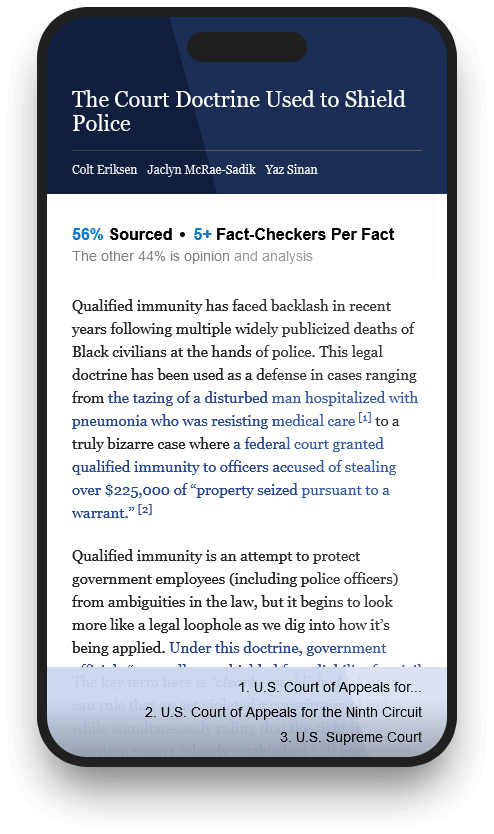
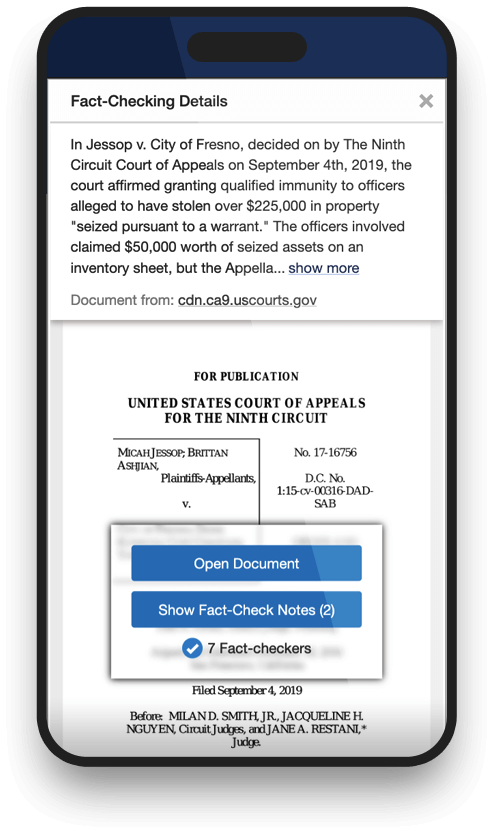
Mouse over any sourced passage!
Click on any sourced passage!
Click on any sourced passage
This piece is from the upcoming book Palestine, Israel, and American Money. You can reserve a free ebook/audiobook copy below.
If you’re reading this, it means I have been killed—most likely targeted—by the Israeli occupation forces. When this all began, I was only 21 years old—a college student with dreams like anyone else. For [the] past 18 months, I have dedicated every moment of my life to my people. I documented the horrors in northern Gaza minute by minute, determined to show the world the truth they tried to bury. I slept on pavements, in schools, in tents—anywhere I could. Each day was a battle for survival. I endured hunger for months, yet I never left my people’s side.
By God, I fulfilled my duty as a journalist. I risked everything to report the truth, and now, I am finally at rest—something I haven’t known in the past 18 months. I did all this because I believe in the Palestinian cause. I believe this land is ours, and it has been the highest honor of my life to die defending it and serving its people.
I ask you now: do not stop speaking about Gaza. Do not let the world look away. Keep fighting, keep telling our stories—until Palestine is free.
— Hossam Shabat, killed in a targeted drone strike, March 2025
In October 2023, as Israel began its offensive in Gaza, Russia’s invasion of Ukraine was well into its second year. By then, 15 journalists and media workers had been killed there. In just over two weeks, Israeli forces surpassed that toll in Gaza. Within ten weeks, they had killed more journalists than “any other army or entity . . . in any single year” since the Committee to Protect Journalists (CPJ) began documenting such deaths in 1992.
Attacks on the press continued at an unprecedented pace for two years. By December 2025, Israel had killed at least 206 journalists and media workers in Gaza, 31 in Yemen, 6 in Lebanon, and 3 in Iran. These CPJ figures are likely an undercount: months earlier, the U.N. Human Rights Office in the Occupied Palestinian Territory reported 227 Palestinian journalists killed in Gaza.
The nature of these killings is as revealing as their scale. They included sniper fire, drone strikes, journalists bombed in tents, and airstrikes on press workers at home with their families. Israeli forces also struck public spaces where journalists sought internet access and carried out double-tap strikes, killing both press and first responders in follow-up attacks. “In the early days . . . Reuters shared with the Israeli military locations of its teams in Gaza . . . to try to ensure they would not be targeted,” a spokesperson for the news agency said. “But after many journalists were killed in IDF strikes, Reuters stopped giving precise coordinates.”
This piece is from the upcoming book Palestine, Israel, and American Money. You can reserve a free ebook/audiobook copy below.
If you’re reading this, it means I have been killed—most likely targeted—by the Israeli occupation forces. When this all began, I was only 21 years old—a college student with dreams like anyone else. For [the] past 18 months, I have dedicated every moment of my life to my people. I documented the horrors in northern Gaza minute by minute, determined to show the world the truth they tried to bury. I slept on pavements, in schools, in tents—anywhere I could. Each day was a battle for survival. I endured hunger for months, yet I never left my people’s side.
By God, I fulfilled my duty as a journalist. I risked everything to report the truth, and now, I am finally at rest—something I haven’t known in the past 18 months. I did all this because I believe in the Palestinian cause. I believe this land is ours, and it has been the highest honor of my life to die defending it and serving its people.
I ask you now: do not stop speaking about Gaza. Do not let the world look away. Keep fighting, keep telling our stories—until Palestine is free.
— Hossam Shabat, killed in a targeted drone strike, March 2025
In October 2023, as Israel began its offensive in Gaza, Russia’s invasion of Ukraine was well into its second year. By then, 15 journalists and media workers had been killed there. In just over two weeks, Israeli forces surpassed that toll in Gaza. Within ten weeks, they had killed more journalists than “any other army or entity . . . in any single year” since the Committee to Protect Journalists (CPJ) began documenting such deaths in 1992.
Attacks on the press continued at an unprecedented pace for two years. By December 2025, Israel had killed at least 206 journalists and media workers in Gaza, 31 in Yemen, 6 in Lebanon, and 3 in Iran. These CPJ figures are likely an undercount: months earlier, the U.N. Human Rights Office in the Occupied Palestinian Territory reported 227 Palestinian journalists killed in Gaza.
The nature of these killings is as revealing as their scale. They included sniper fire, drone strikes, journalists bombed in tents, and airstrikes on press workers at home with their families. Israeli forces also struck public spaces where journalists sought internet access and carried out double-tap strikes, killing both press and first responders in follow-up attacks. “In the early days . . . Reuters shared with the Israeli military locations of its teams in Gaza . . . to try to ensure they would not be targeted,” a spokesperson for the news agency said. “But after many journalists were killed in IDF strikes, Reuters stopped giving precise coordinates.”